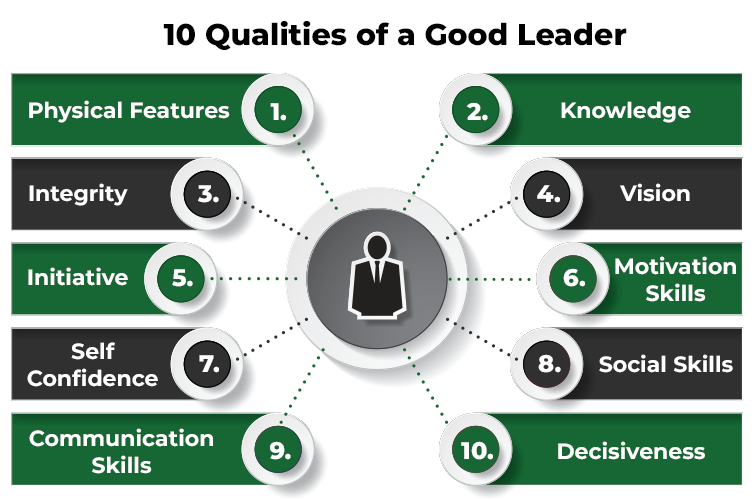
I’ve worked under managers who technically had the title but never the respect, and others who had both without even trying too hard. The difference always comes down to a specific set of leadership qualities — not charisma, not seniority, just consistent behavior.
None of this is complicated theory. It’s stuff you can actually start practicing tomorrow.
Clear Communication
In brief: Clear communication — setting expectations, explaining decisions, and giving direct feedback — is one of the most important leadership qualities, since ambiguity is one of the fastest ways to erode team trust and performance.
I’ve seen talented teams underperform simply because nobody clearly explained what “good” actually looked like for a project. Assumptions fill that gap, and they’re usually wrong.
Emotional Intelligence
Great leaders read the room. They notice when someone’s disengaged, stressed, or quietly struggling, and address it before it becomes a bigger problem.
- Pay attention to changes in someone’s usual behavior
- Ask genuine questions instead of assuming reasons
- Respond to emotional cues, not just task updates
[link to related guide on corporate culture here]
Decisiveness
Managers who constantly delay decisions, hoping for more certainty that never comes, create anxiety across the whole team. Good leaders make timely calls with available information, and adjust course if needed — rather than freezing.
In brief: Decisiveness means making timely, well-reasoned decisions even with incomplete information, since indecision often causes more damage to team morale and momentum than an imperfect but clear choice.
Accountability
The best managers I’ve worked with owned their mistakes publicly, without deflecting blame onto their team. That single behavior built more trust than almost anything else they did.
Has this ever happened to you — a manager blaming the team for something that was clearly a leadership failure? It’s remarkably common, and it destroys trust fast.
Delegation Without Micromanagement
Leaders who trust their team enough to delegate real responsibility — not just tasks, but actual decision-making authority — build stronger, more capable teams over time. Micromanagement might feel safer short-term, but it stunts growth and breeds resentment.
[link to related guide on management basics here]
Consistency
Good leadership qualities mean behaving the same way regardless of mood, pressure, or who’s watching. Inconsistent managers — warm one day, harsh the next — create a workplace where people constantly walk on eggshells.
Alt text suggestion: “Manager demonstrating strong leadership qualities during team meeting”
Genuine Curiosity About People
The managers people remember fondly usually asked real questions about their team’s goals, struggles, and interests — not out of obligation, but genuine curiosity. This builds loyalty that goes far beyond salary or title.
Willingness to Give Difficult Feedback
Avoiding hard conversations feels kind in the moment but usually hurts the employee more in the long run, since problems compound quietly instead of getting addressed early.
FAQ
What’s the single most important leadership quality? Communication tends to underpin nearly everything else — decisiveness, accountability, and trust all depend on how clearly a leader expresses expectations and feedback.
Can leadership qualities be developed, or are they natural traits? Most leadership qualities are learnable through practice, feedback, and self-awareness, rather than being purely innate personality traits.
How is leadership different from management? Management focuses on processes and execution, while leadership focuses on inspiring, guiding, and building trust with people, though great managers usually do both.
Do introverts make good leaders? Yes, absolutely — leadership qualities like emotional intelligence, decisiveness, and accountability aren’t tied to being extroverted or naturally outgoing.
What’s a common leadership mistake new managers make? New managers often over-focus on being liked, avoiding necessary difficult conversations, which undermines respect and accountability over time.
Conclusion
Strong leadership qualities aren’t reserved for naturally charismatic people — they’re built through consistent, deliberate behavior over time. Clear communication, accountability, and genuine curiosity about your team matter far more than any inspiring speech.
Pick one quality from this list you’re weakest at, and practice it deliberately this week with your team. Small, consistent changes in leadership behavior add up faster than people expect.