You’ve decided to sell online. Great — now which platform? Shopify? Amazon? WooCommerce? A quick Google search throws a dozen options at you, most articles reading like they were written by the platforms themselves. Picking from the best ecommerce platforms available in 2026 really comes down to your specific situation — budget, technical comfort, and how much control you actually want.
Let’s break this down honestly, including where each option falls short.
What Actually Matters When Choosing a Platform
Direct answer: The right ecommerce platform depends on three factors specifically — your technical comfort level, whether you want built-in traffic or full brand control, and your monthly budget for fees and subscriptions — more than any single platform being universally “the best.”
I’ve noticed new sellers often pick based on what’s popular rather than what fits their actual situation, and end up frustrated within a few months.
Amazon and Flipkart: Built-In Traffic, Less Control
These marketplaces bring existing customer traffic immediately — you’re not starting from zero visitors. The tradeoff is fierce competition, listing fees, and limited branding control since you’re playing within their rules, not your own.
Best for: Sellers wanting fast market entry without building an audience from scratch first.
Shopify: The Popular All-Rounder
Shopify remains a strong choice for building your own branded store, with genuinely easy setup even for non-technical sellers. Monthly plans typically run from roughly $25-65+ depending on features, plus transaction fees unless you use their own payment gateway.
Best for: Sellers who want full brand control and plan to invest in their own marketing to drive traffic (since Shopify itself doesn’t bring customers).
[link to related guide about how to start an ecommerce business here]
WooCommerce: Flexible, But Needs More Setup
Built on WordPress, WooCommerce is free at its core but requires hosting, and setup takes more technical comfort (or a developer’s help) compared to Shopify. The upside is significant flexibility and lower ongoing costs once set up properly.
Best for: Sellers already comfortable with WordPress, or those with a developer who can handle setup and maintenance.
Meesho: Low-Cost Entry for Small Sellers
Direct answer: Meesho works particularly well for new sellers in India with limited upfront capital, since it requires minimal listing costs and reaches a broad reseller network, though margins per sale tend to be thinner than other platforms.
This platform has become genuinely popular among small home-based sellers specifically because of its low barrier to entry, even if per-unit profit tends to be modest.
Instamojo and Similar Simple Tools
For very small sellers just starting with a handful of products, simpler tools like Instamojo offer quick store setup without needing to understand complex platform settings. It’s not built for scaling into a large catalog, but it’s a genuinely low-friction starting point.
[link to related guide about best freelancing skills in demand here]
Comparing Costs Realistically
- Amazon/Flipkart: No monthly fee typically, but commission per sale (often 8-20%+ depending on category)
- Shopify: Monthly subscription plus payment processing fees
- WooCommerce: Hosting costs (₹500-2,000+ monthly) plus one-time setup effort
- Meesho: Minimal listing costs, commission-based structure
A Realistic Path for Absolute Beginners
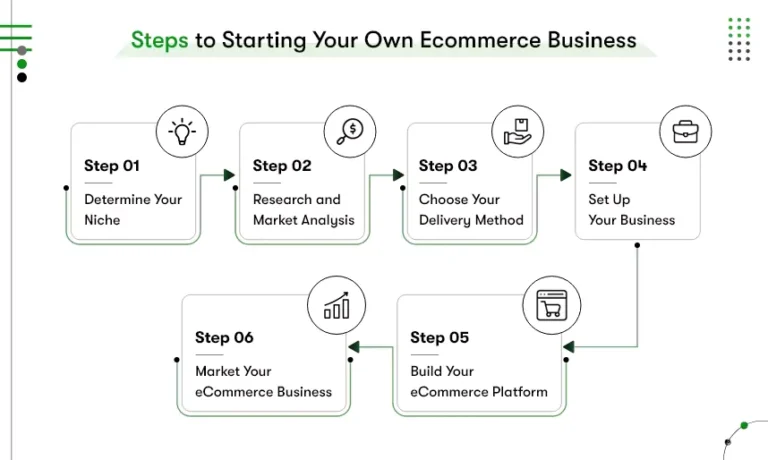
Picture a small home-based seller in Jaipur starting with handmade jewellery. Starting on Meesho or a marketplace first, testing what actually sells, then moving to a dedicated Shopify store once demand is proven, is a far less risky path than building a full branded store before confirming anyone wants the product.
When to Move Beyond Marketplaces
Once you’ve validated consistent demand and want to build a recognizable brand with your own customer data (not shared with a marketplace), that’s usually the signal to invest in your own Shopify or WooCommerce store, layering marketplace selling alongside it rather than abandoning it entirely.
FAQ
Which ecommerce platform is cheapest for beginners? Meesho and similar reseller-focused platforms typically have the lowest upfront cost, making them a common starting point for very small sellers.
Is Shopify worth the monthly cost for a new business? Yes, if you’re serious about building a distinct brand and plan to invest in driving your own traffic through marketing rather than relying on marketplace visibility alone.
Can I sell on multiple platforms at once? Absolutely, and many established sellers do exactly this — using marketplaces for reach while building a branded store for long-term customer relationships.
Do I need technical skills to use WooCommerce? Basic technical comfort helps significantly, or budget for a developer’s help with initial setup, since it requires more configuration than Shopify.
Which platform is best for selling internationally? Shopify tends to handle international selling more smoothly with built-in currency and shipping integrations compared to India-focused marketplaces like Meesho.
How do I decide between a marketplace and my own store? Start with a marketplace to validate demand cheaply, then transition to your own store once you’re ready to invest in building a distinct brand.
Final Thoughts
There’s no single “best” among the best ecommerce platforms available in 2026 — the right choice depends entirely on your budget, technical comfort, and whether you value built-in traffic or full brand control more. Start with the platform that matches where you are right now, and don’t be afraid to add a second platform once your first sales start coming in.