You’ve got a product idea, maybe some savings, and absolutely no clue where to begin. That’s a more common starting point than people admit. Every large online seller you see today started exactly there — the difference is they figured out how to start an ecommerce business step by step, instead of waiting to feel “ready.” Spoiler: nobody ever feels fully ready.
Here’s a practical roadmap for 2026, written for someone starting from genuinely zero.
Do You Actually Need a Perfect Product Idea First?
Direct answer: No — you need a product with clear, existing demand, not necessarily an original idea. Many successful ecommerce businesses simply sell existing product categories better than competitors, through better service, pricing, or presentation.
I’ve noticed beginners spend months searching for the “perfect unique idea” instead of just validating whether people already buy similar products online. Existing demand is a good sign, not a red flag.
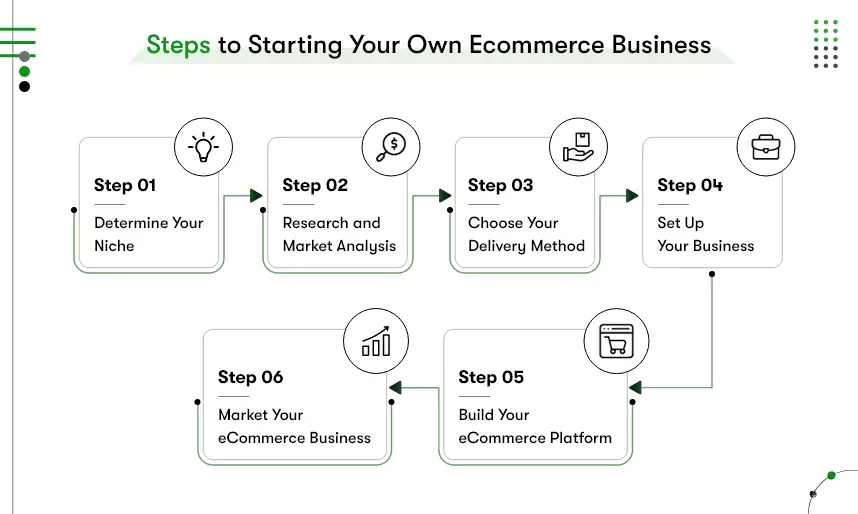
Step 1: Validate Before You Invest
Before spending on inventory, check:
- Are similar products already selling on Amazon or Flipkart, with decent reviews?
- Does a quick Google Trends check show steady or rising interest?
- Can you find at least 20 people (friends, forums, communities) willing to genuinely say they’d buy it?
Skip this step, and you risk sitting on stock nobody wants — a mistake far more expensive than the time spent validating.
Step 2: Choose Your Selling Model
There are three realistic starting points:
- Dropshipping — low investment, you don’t hold stock, but margins are thinner and delivery times can be unpredictable
- Your own inventory — better margins and control, but requires upfront capital and storage
- Marketplace selling (Amazon, Flipkart, Meesho) — faster to start since the platform brings existing traffic, though competition and fees can eat into profit
For someone with zero experience, starting on an existing marketplace is often the gentler entry point before building a standalone store.
[link to related guide about best ecommerce platforms compared here]
Step 3: Setting Up the Basics
Direct answer: Setting up an ecommerce business legally in India typically requires GST registration (if turnover crosses ₹40 lakh, or earlier for certain categories), a business bank account, and depending on your product, an FSSAI license for food items or trademark registration for your brand name.
Don’t let paperwork intimidate you — most of this can be done online within a couple of weeks, and many CAs handle GST registration for a modest one-time fee.
Step 4: Product Photography and Listings
Here’s something I’d argue matters more than people realize early on: photos sell products, not just descriptions. You genuinely don’t need a professional studio — natural window light, a plain background, and a decent phone camera cover most beginner needs. Write descriptions that answer the questions a buyer would actually ask, not just list generic features.
Step 5: Pricing Without Guessing
A common beginner mistake is pricing based purely on cost-plus-margin, ignoring what competitors charge. Check 5-10 similar listings first. If you’re priced significantly higher with no clear reason (better quality, faster delivery, unique packaging), buyers will simply choose the cheaper option.
Step 6: Getting Your First 10 Orders
Picture a small home baker in Jaipur launching her cake business online. Her first 10 orders didn’t come from ads — they came from her existing WhatsApp contacts and a small local Facebook group. Your first sales almost always come from your existing network before strangers start finding you organically.
[link to related guide about small business marketing ideas on a budget here]
Handling Logistics Without Panic
Delivery is where a lot of beginners get stuck. Services like Shiprocket or Delhivery integrate easily with most platforms and handle pickup, packaging guidance, and tracking — you don’t need your own delivery fleet to start.
When to Reinvest vs. When to Hold Cash
A mistake I’ve seen repeatedly: reinvesting every rupee of early profit into more inventory before confirming repeat demand. Keep at least a small cash buffer for 2-3 months of basic costs before scaling up stock.
FAQ
How much money do I need to start an ecommerce business? It varies widely, but many beginners start with anywhere from ₹15,000-50,000 for initial inventory, listings, and basic marketing, especially on a marketplace model.
Is dropshipping still profitable in 2026? It can be, though margins have tightened as more sellers enter the space. It works best combined with a distinct niche rather than generic trending products.
Do I need a website, or can I sell only on marketplaces? You can absolutely start marketplace-only. A dedicated website becomes more valuable once you want full control over branding and customer data.
How long does it take to see profit in ecommerce? Most small ecommerce businesses take 6-12 months to become consistently profitable, though this depends heavily on product margins and marketing costs.
What’s the biggest mistake first-time ecommerce sellers make? Overinvesting in inventory before validating actual demand — it’s the single most common cause of early failure.
Can I run an ecommerce business alongside a full-time job? Yes, many people start this way, especially with the marketplace model, since order processing and customer service can be managed part-time initially.
Final Thoughts
Learning how to start an ecommerce business isn’t about having everything figured out from day one — it’s about validating demand, picking a realistic selling model, and getting those first 10 orders from people who already trust you. Pick one product idea this week and just validate it before spending a single rupee on inventory.