The business registration process sounds intimidating until you actually sit down and do it. I remember helping a cousin register her boutique business — we thought it would take weeks. It took four days, most of which was just waiting on document verification.
Registering a business isn’t just a legal formality. It protects you, builds trust with customers, and opens doors — bank loans, GST input credit, vendor contracts — that stay shut for unregistered setups.
Let’s walk through it properly, without the government-website jargon.
Choose the Right Business Structure First
In brief: Your business structure determines your tax liability, liability protection, and how much paperwork you’ll deal with. Sole proprietorship is simplest; Private Limited offers more credibility and legal protection.
The common options in India:
- Sole Proprietorship — easiest, minimal paperwork, but you’re personally liable
- Partnership Firm — for two or more owners, still relatively simple
- LLP (Limited Liability Partnership) — protects personal assets, moderate compliance
- Private Limited Company — best for raising funding, more compliance requirements
If you’re a solo freelancer, don’t overcomplicate this. A sole proprietorship with GST registration is usually enough to start.
Get Your PAN and Digital Signature Sorted
Before anything else in the business registration process, you’ll need a PAN card (for the business owner or the entity) and, for LLPs or Private Limited companies, a Digital Signature Certificate (DSC).
This step trips people up more than it should — the DSC application alone can take 1-2 days if your documents aren’t in order. Get scanned copies of your Aadhaar, PAN, and a passport photo ready before you start.
Reserve Your Business Name
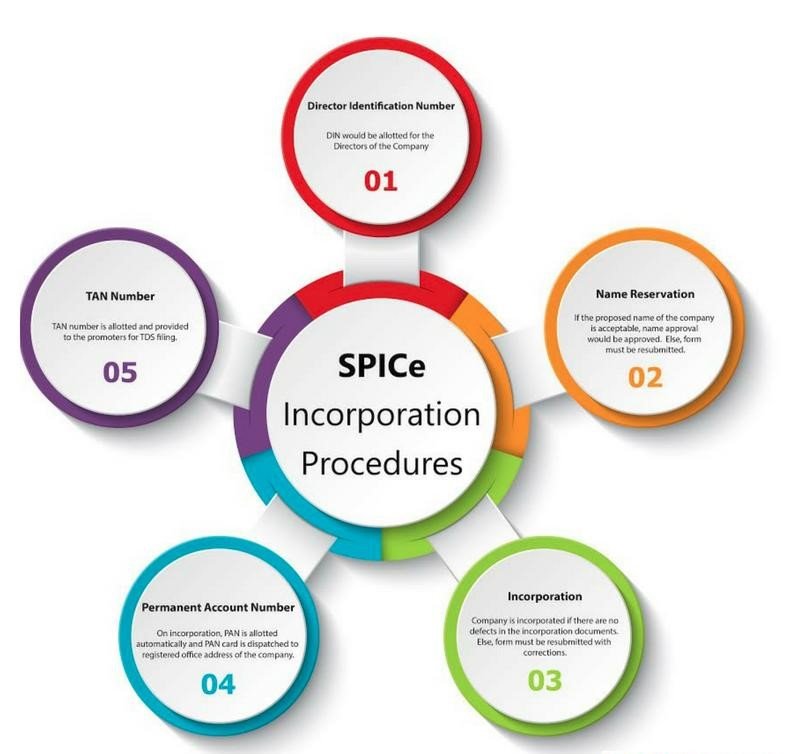
If you’re registering an LLP or Private Limited company, you’ll need to reserve a unique name through the MCA (Ministry of Corporate Affairs) portal using the RUN or SPICe+ service.
Pick two or three backup names. I’ve seen first-choice names get rejected for being too similar to existing trademarks — annoying, but avoidable if you check availability beforehand.
[link to related guide on startup funding options here]
File Your Incorporation Documents
This is the core of the business registration process. For a Private Limited company, you’ll file the SPICe+ form along with:
- Memorandum of Association (MOA)
- Articles of Association (AOA)
- Proof of registered office address
- Identity and address proof of directors
Sole proprietors skip this step almost entirely — you’ll mostly need a shop establishment license or Udyam registration instead.
Register for GST If You Cross the Threshold
In brief: GST registration becomes mandatory once your turnover crosses ₹40 lakh for goods (₹20 lakh for services in most states). Below that, it’s optional but often useful for credibility and input tax credit.
Even under the threshold, I’ve noticed many small vendors register voluntarily because larger clients simply won’t work with unregistered suppliers.
Open a Current Bank Account
Once your registration certificate is in hand, open a current account in the business’s name — not your personal savings account. Banks usually ask for the registration certificate, PAN, and address proof.
This step matters more than people realize. Mixing personal and business finances makes tax filing a nightmare later.
Alt text suggestion: “Entrepreneur completing business registration documents at office desk”
Apply for Udyam (MSME) Registration
This one’s free and takes about ten minutes online. Udyam registration gives small businesses access to government schemes, easier loan approvals, and delayed-payment protection from larger buyers.
Honestly, this is the most underused step in the whole business registration process — most small business owners don’t even know it exists.
[link to related guide on small business loans here]
Don’t Forget Local Licenses
Depending on your business type, you might need a Shop and Establishment license, FSSAI license (for food businesses), or trade license from your local municipal body. Skipping these can mean fines later, even if your main registration is complete.
FAQ
How long does the business registration process take in India? Anywhere from 4 days for a sole proprietorship with Udyam registration, to 2-3 weeks for a full Private Limited company incorporation.
Do I need a lawyer to register my business? Not necessarily for simple structures, but for LLP or Private Limited registration, a CA or company secretary saves a lot of back-and-forth.
What’s the cheapest way to register a business? Sole proprietorship with Udyam registration is free or nearly free, making it the most budget-friendly starting point.
Is GST registration part of the business registration process? It’s separate but often done around the same time, especially if turnover is expected to cross the mandatory threshold quickly.
Can I register my business from home? Yes, your home address can serve as the registered office for most small business structures, provided you have address proof.
Conclusion
The business registration process isn’t the maze it appears to be from the outside — it’s a handful of sequential steps, most of which take a day or two each. Start with the right structure, keep your documents ready, and don’t skip Udyam registration.
Once you’re registered, you’ll notice doors open that were closed before — bigger clients, easier loans, and a business that finally feels official on paper, not just in your head.