Corporate governance sounds like something only huge companies with board rooms need to worry about. That’s not quite true. I’ve seen small, fast-growing startups run into serious trouble simply because nobody had set up basic governance structures early on.
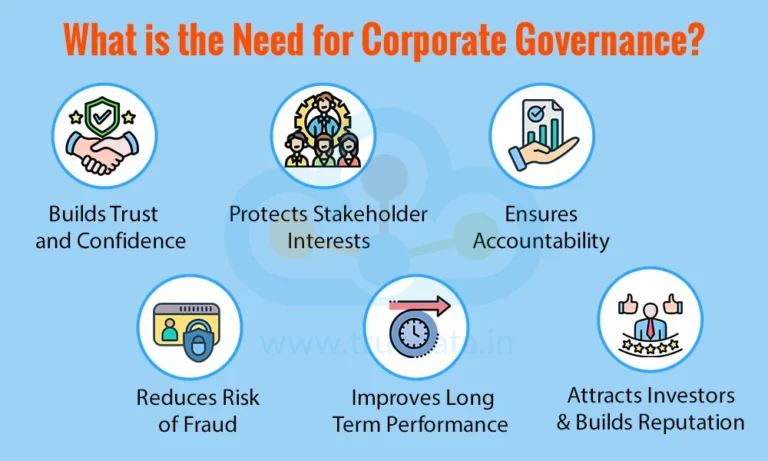
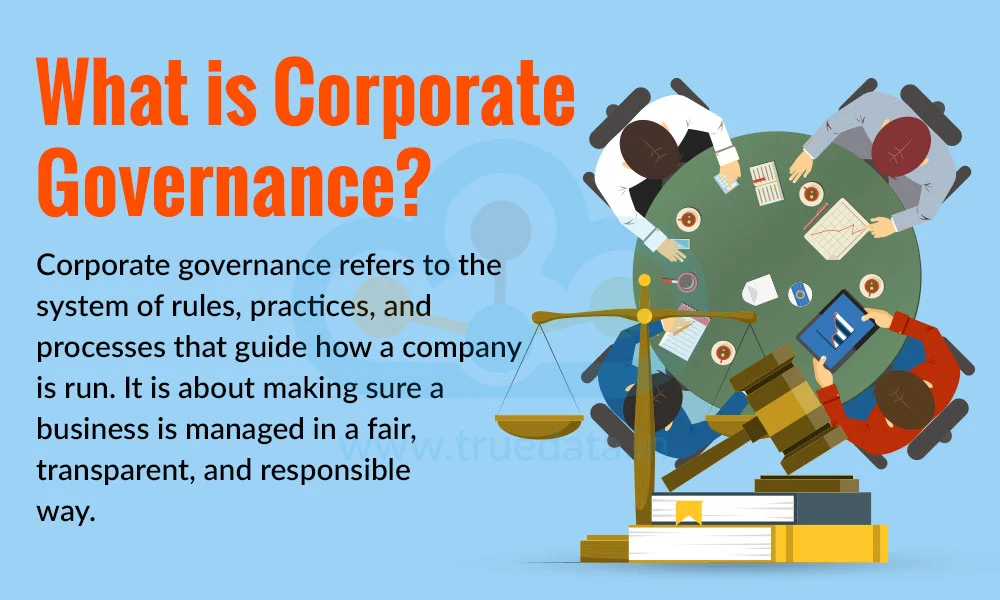
At its core, it’s just the system of rules and practices that decide how a company is directed and controlled — who makes decisions, who’s accountable, and how conflicts get resolved.
What Corporate Governance Actually Covers
In brief: Corporate governance refers to the framework of rules, practices, and processes that guide how a company is directed, ensuring accountability, fairness, and transparency between management, the board, and shareholders.
It typically includes:
- Board structure and independence
- Shareholder rights and voting processes
- Financial disclosure and transparency requirements
- Risk management and internal controls
- Executive compensation policies
Why Startups Often Ignore It Early On
Founders are usually focused on survival — customers, cash flow, product — and governance feels like a “later problem.” I get why, but this is exactly when bad habits form that become expensive to unwind later, especially before a funding round or acquisition.
I’ve seen due diligence processes stall for weeks simply because a startup’s financial records and decision-making processes were too informal to pass investor scrutiny.
[link to related guide on business registration process here]
The Role of the Board of Directors
The board exists to oversee management on behalf of shareholders, not to run daily operations. A well-structured board includes independent directors who can challenge management decisions without personal or financial conflicts of interest.
In brief: An effective board balances executive insight with independent oversight, ensuring decisions serve the company’s long-term interests rather than short-term convenience for management alone.
Transparency and Financial Disclosure
Good corporate governance means shareholders and stakeholders can trust that financial reports reflect reality. Companies with weak governance often show this through delayed audits, inconsistent financial reporting, or reluctance to share information with investors.
[link to related guide on basic accounting principles here]
Risk Management Frameworks
Governance isn’t just about ethics — it’s practical risk control. Companies with strong governance structures typically identify operational, financial, and reputational risks earlier, simply because there’s a process forcing regular review.
I’ve noticed companies without this structure tend to discover risks only after something’s already gone wrong, which is obviously the worst time to find out.
Alt text suggestion: “Board meeting discussing corporate governance policies and compliance”
Governance and Investor Confidence
Investors, especially institutional ones, look closely at governance structures before committing funds. Weak governance signals higher risk, regardless of how strong the underlying business appears.
This matters even for smaller companies planning to raise a Series A or B round — governance gaps often surface during due diligence and can delay or derail funding.
[link to related guide on startup funding options here]
Common Corporate Governance Failures
- Concentrated decision-making with no checks or balances
- Lack of clear conflict-of-interest policies
- Poor separation between ownership and management roles
- Inconsistent or delayed financial reporting
FAQ
What is corporate governance in simple terms? It’s the system of rules and oversight that ensures a company is run responsibly, fairly, and transparently for the benefit of shareholders and stakeholders.
Do small businesses need corporate governance? Yes, even informally — clear decision-making processes and financial transparency protect small businesses just as much as large corporations, especially before raising funding.
What’s the difference between management and governance? Management runs daily operations; governance oversees management to ensure decisions align with shareholders’ and stakeholders’ long-term interests.
Why do investors care so much about governance? Weak governance signals higher risk of mismanagement, fraud, or poor decision-making, which directly affects an investor’s confidence and potential returns.
Can poor corporate governance lead to legal trouble? Yes, especially around financial disclosure, related-party transactions, and shareholder rights — governance failures often trigger regulatory scrutiny.
Conclusion
Corporate governance isn’t just a compliance checkbox for large corporations — it’s a practical framework every growing business benefits from having in place early. Clear board structures, transparent reporting, and proper risk management save founders from expensive problems down the line.
If your company doesn’t have basic governance practices yet, start with the simplest one: clear, written decision-making processes that don’t depend entirely on one person’s memory.